25 Retro Bathroom Ideas to Bring Back Vintage Charm
Retro style is about more than looking backward. It’s about the craftsmanship, the bold colors, and the shapes that never quite went away. The bathroom is a great place to try it, because you can mix nostalgia with modern comfort in a small space. You might love the glamour of 1920s Art Deco, the playful pastels of the 1950s, or the earthy tones of the 1970s. Either way, a few vintage touches can turn a plain, sterile bathroom into a room with real personality.Want to see how these ideas look in real homes? Browse these retro bathroom photos on Houzz for extra inspiration.
1. Clawfoot Tubs
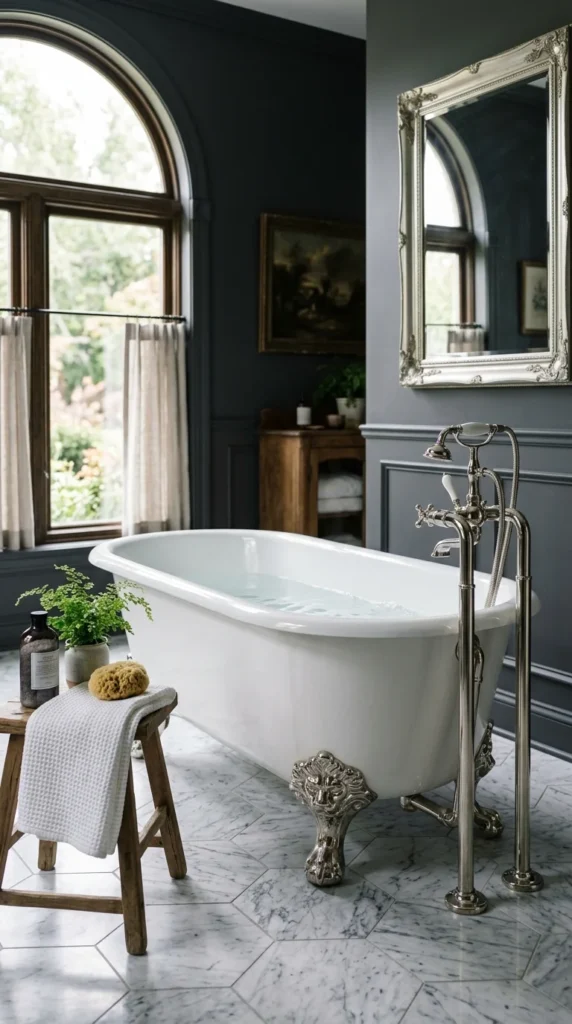
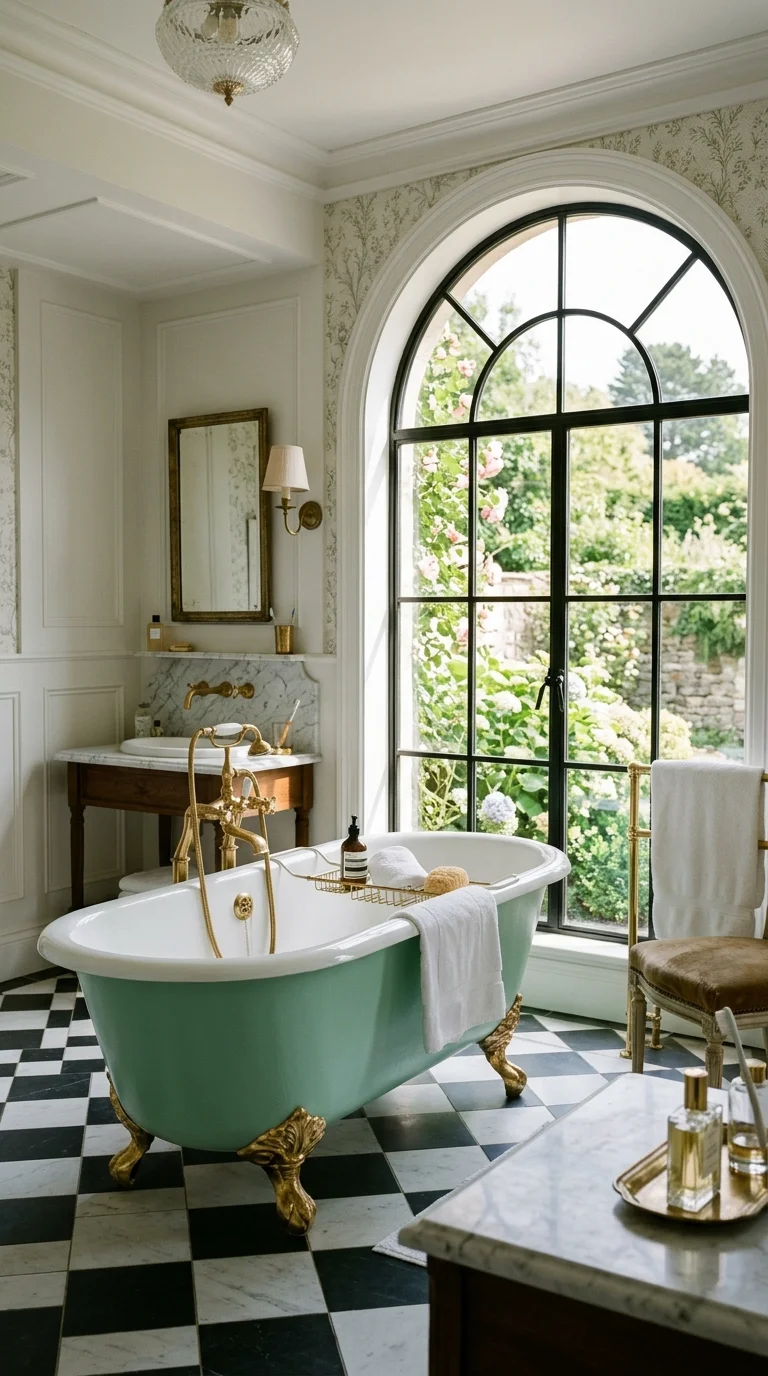
The clawfoot tub is probably the most recognizable symbol of vintage bathroom luxury. These freestanding tubs date back to the late 19th century, and they instantly become the focal point of the room. For the most authentic look, choose a cast iron model with a high back. That style is called a slipper tub, and it’s as comfortable as it is dramatic. Add a floor-mounted, telephone-style faucet and the whole setup feels even more true to its era.
2. Checkered Floors
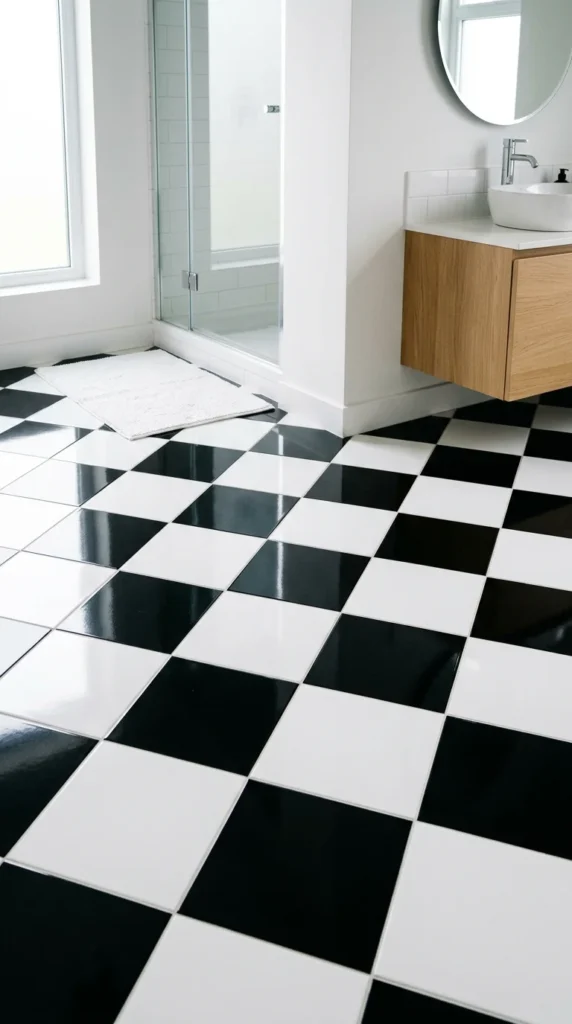
Few patterns say “classic” like a checkered floor. It became hugely popular in the 1920s and 30s, and it’s still the go-to for anyone chasing a retro vibe. Black and white is the traditional pick. If you want something softer, try cream with forest green, or terracotta with white, for a warmer, Mediterranean-leaning vintage look.
3. Pedestal Sinks
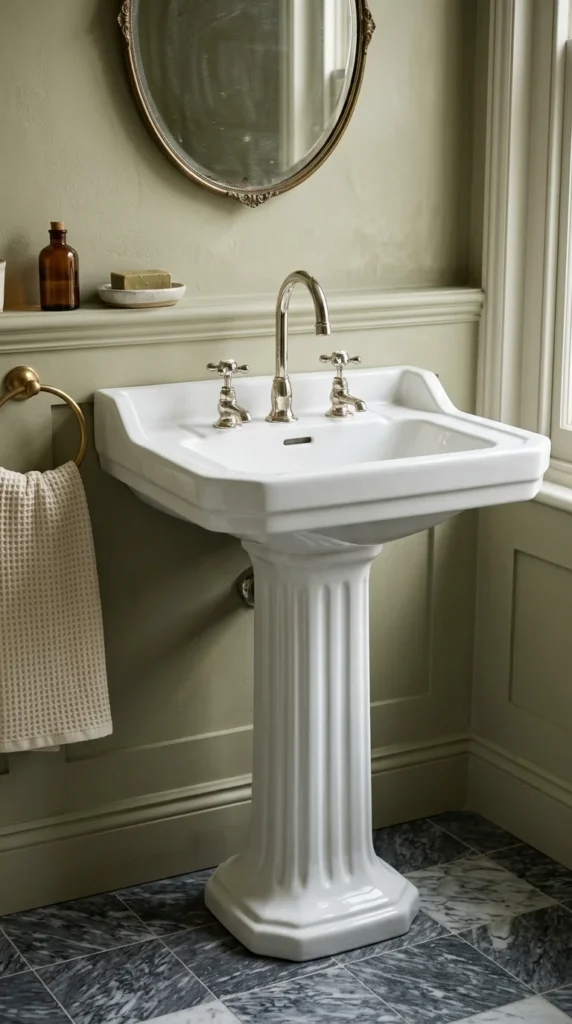
A pedestal sink is a smart choice for a small bathroom, where a bulky vanity can swallow the space. Its slim profile echoes the columns of classical architecture. For a cohesive look, pick one with a backsplash lip and separate taps. You’ll save floor space, and you’ll get the clean, sculptural lines that define mid-century and early 20th-century bathrooms.
4. Brass Fixtures
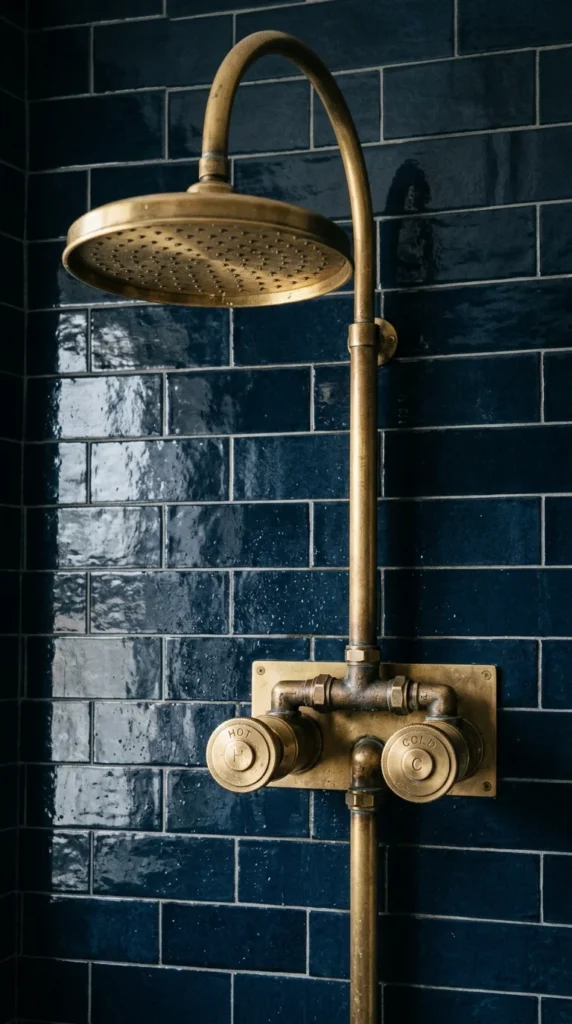
Brass has a warmth that chrome just can’t match. In a retro bathroom, “living finishes” are especially prized. These are unlacquered brass pieces that develop a patina over time and age beautifully. Use brass for towel racks, faucet handles, and other small hardware, and the room gets an old-world weight and sense of quality. It looks especially good against dark, moody paint colors or floral wallpaper.
5. Pastel Tile
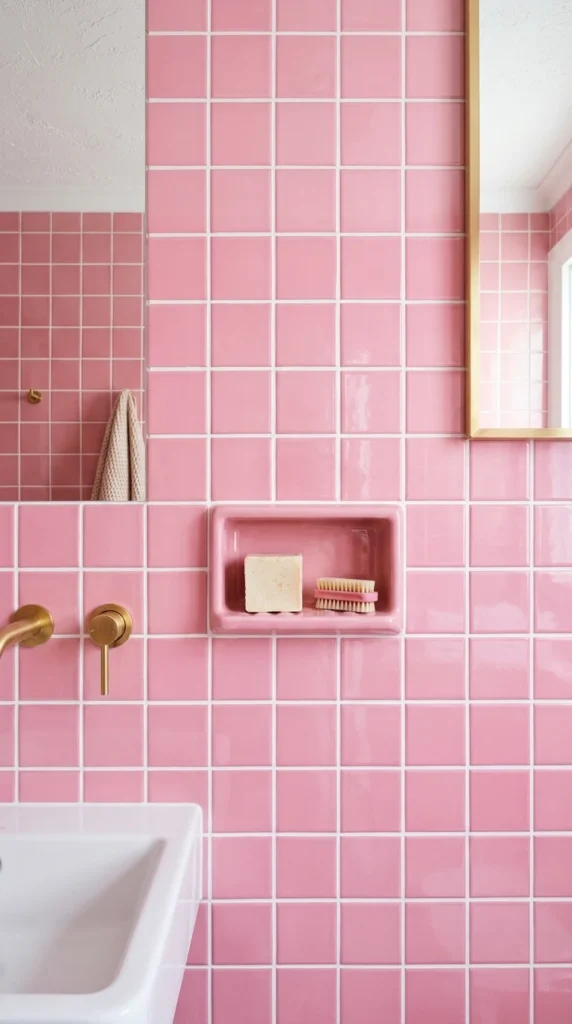
The 1950s made pastels a bathroom staple, especially mint green, powder blue, and bubblegum pink. People once wrote these colors off as dated, but they’ve made a real comeback in modern retro makeovers. If you want a more grown-up version, run the pastel tile halfway up the wall and finish the top half with a neutral paint or a subtle pattern. That keeps the color from taking over the room.
6. Subway Tile
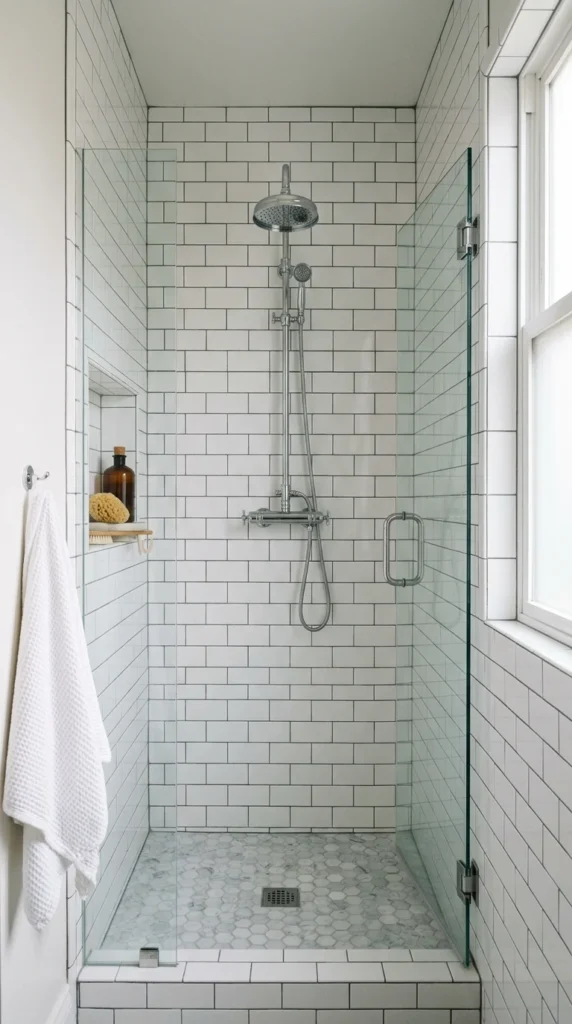
Subway tile is the ultimate blank slate in vintage design. It first appeared in New York City’s transit system in the early 1900s, and its clean, easy-to-wipe look has never gone out of style. To make it feel more deliberately retro, use darker grout to outline the geometric pattern. You could also choose tiles with a slightly beveled edge, which adds texture and soft shadows.
7. Art Deco Mirrors
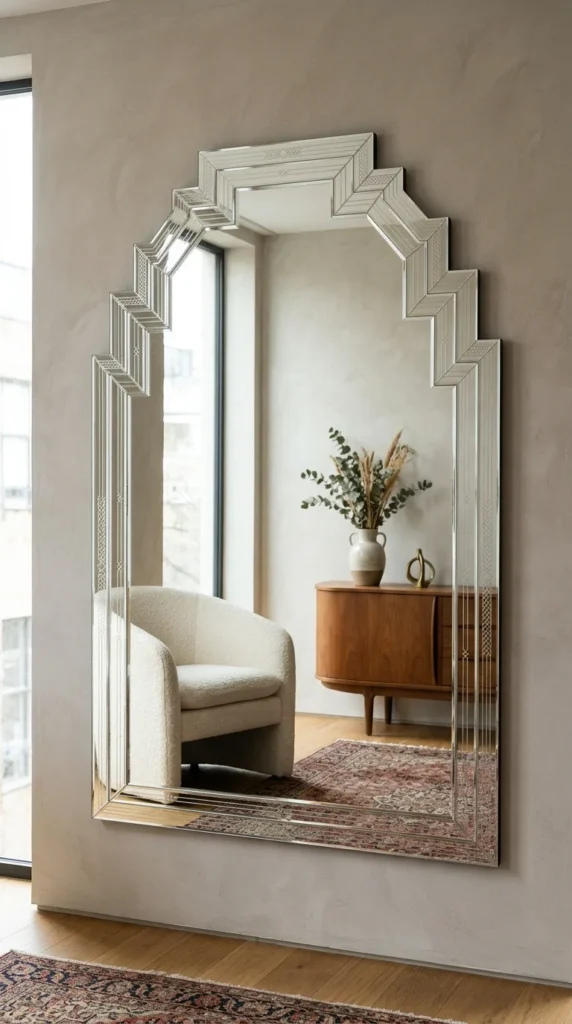
Art Deco was all about glamour and geometry. A mirror with a sunburst shape, tiered edges, or metallic inlay works like a piece of wall art. Hang one over the vanity and it bounces light around while adding a touch of grandeur. You don’t need a full renovation to get the effect.
8. Mid-Century Vanities
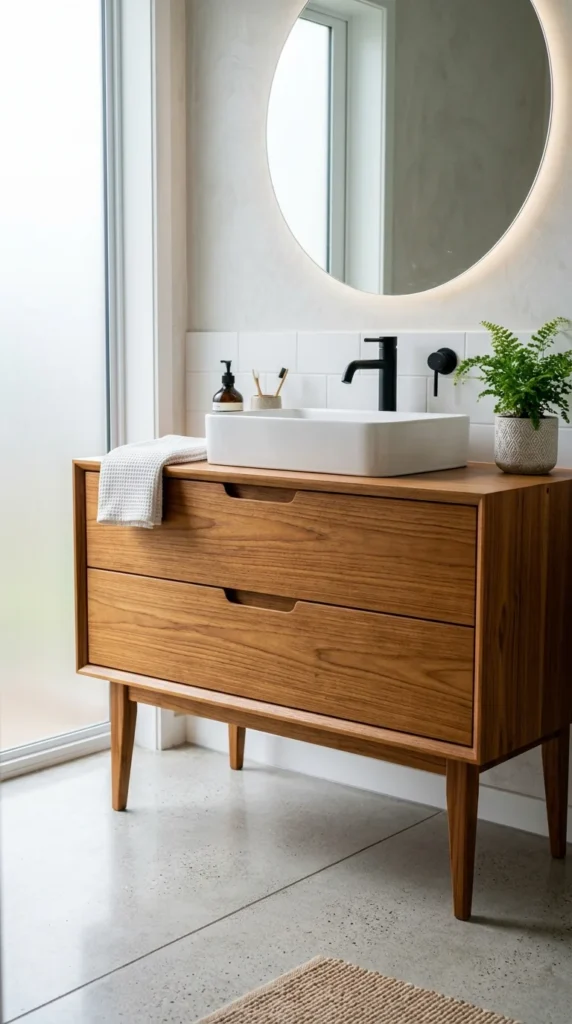
If your taste leans toward the 1960s, a mid-century modern vanity is a must. Look for warm woods like teak or walnut, tapered “peg” legs, and minimal hardware. Many people also turn a vintage sideboard or credenza into a vanity by setting a vessel sink on top. You get a real piece of vintage furniture with modern plumbing.
9. Wainscoting
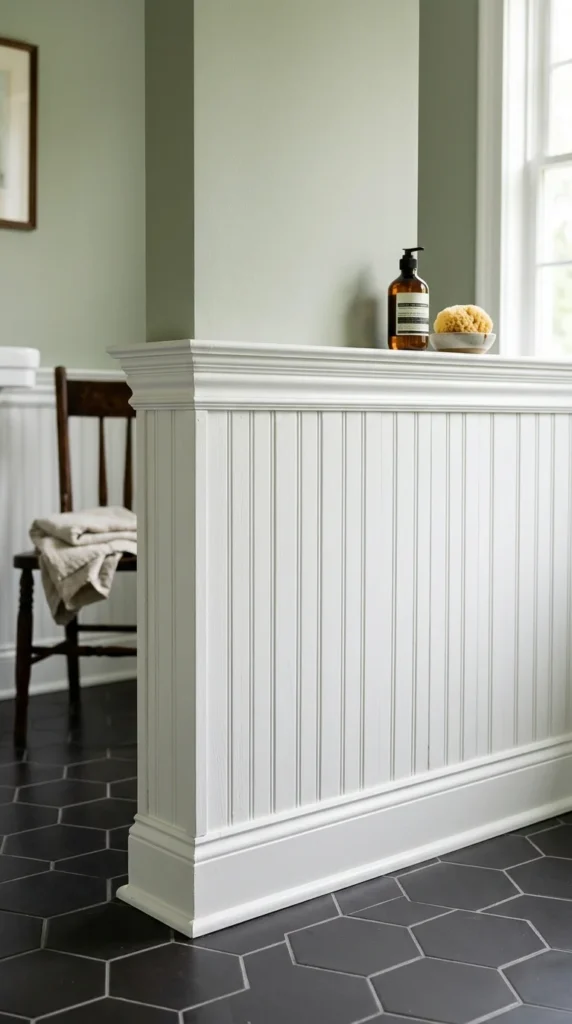
Wainscoting gives a bathroom architectural interest and a built-in, lived-in feel. Raised panels look traditional, while beadboard is more casual, but both create a cozy, cottage-like mood. It’s practical too. It protects the lower half of the walls from moisture and splashes, and the horizontal line can make a small bathroom feel wider.
10. Terrazzo Flooring
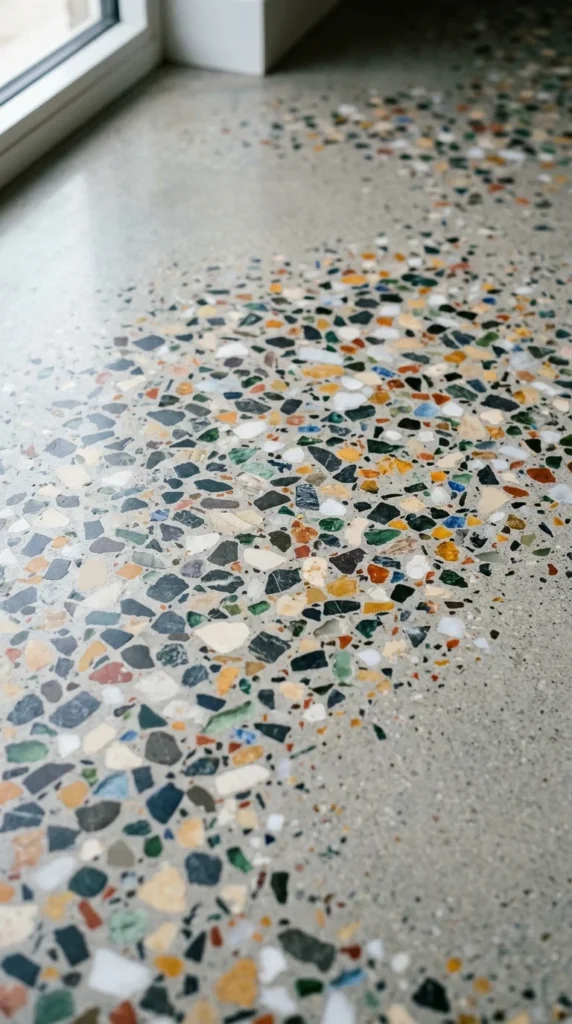
Terrazzo was a hallmark of mid-century design, loved for its durability and speckled look. Today it comes in everything from soft neutrals to bold, multicolored mixes. Use it on the floor, or even for a custom vanity countertop, and you’ll add a playful, handmade texture that feels vintage and chic at the same time.
11. Vintage Wallpaper
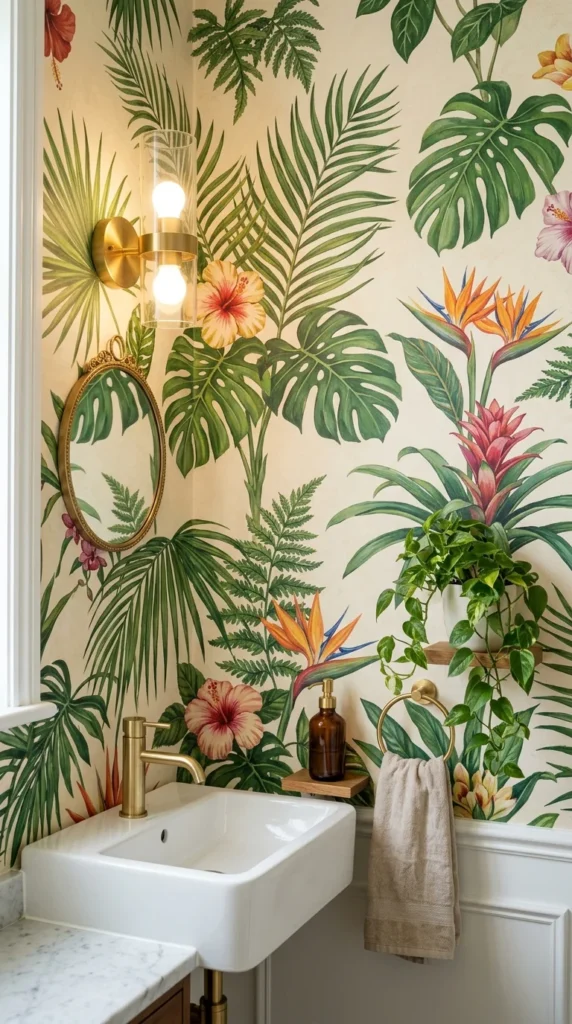
Before minimalist tile took over, wallpaper was a regular feature of vintage bathrooms. To bring the look back, choose a pattern that belongs to a specific era. Think bold florals for the 1940s, damask for a Victorian feel, or tropical palm prints for a 70s “regency” mood. Moisture-resistant wallpapers are now widely available, so you can enjoy these patterns without worrying about peeling or humidity.If you love this look, you can carry the same cozy style into other rooms with these aesthetic bedroom ideas that look expensive on a budget.
12. Apothecary Jars
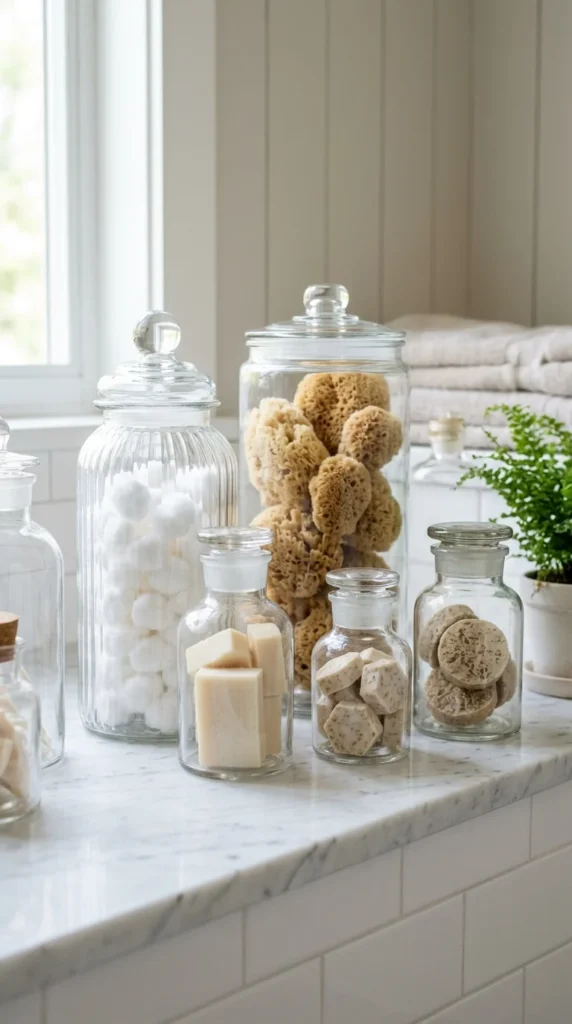
In a retro bathroom, the details do a lot of the work. Apothecary jars are glass containers with heavy lids, and they’re a lovely way to show off everyday items like cotton balls or bath salts. They recall an old-fashioned pharmacy, and they also tidy things up by giving toiletries a proper home instead of leaving them in plastic packaging.
13. Globe Lighting
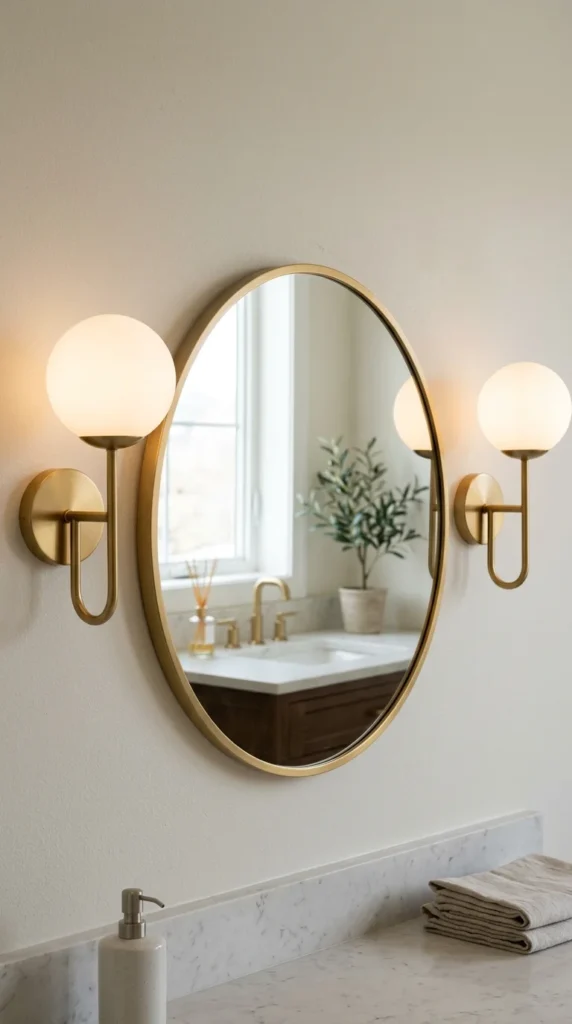
Lighting can make or break a vintage look. Globe lights, common in mid-century and Art Deco design, give off a soft, diffused glow that’s flattering in a bathroom. Use a single pendant or a pair of sconces on either side of the mirror. The simple round shape works with both old and new styles.
14. Penny Tiles
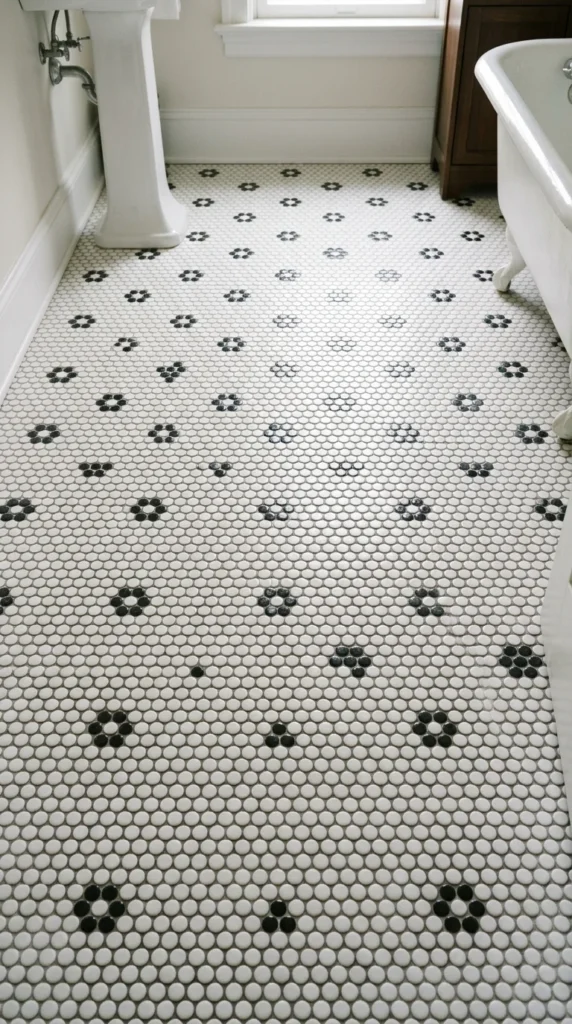
Penny tiles are small, round tiles that have been around since the early 1900s. They’re very versatile. You can use them to make custom patterns, borders, or even words on the floor. All those grout lines also give you good slip resistance, so they’re as practical as they are charming.
15. Arched Doorways
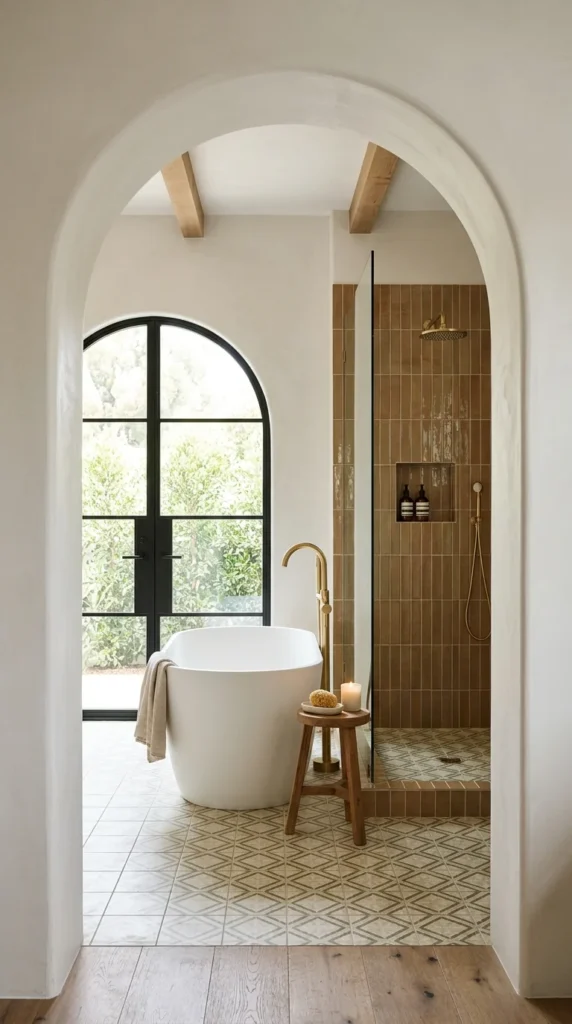
Architecture shapes how a room feels. Arched doorways and alcoves were common in Spanish Revival and Art Deco homes. If you’re doing a full renovation, an arch at the shower entry or over the vanity nook softens the hard lines of the room. It also adds a romantic, vintage sense of enclosure.
16. Pull-Chain Toilets
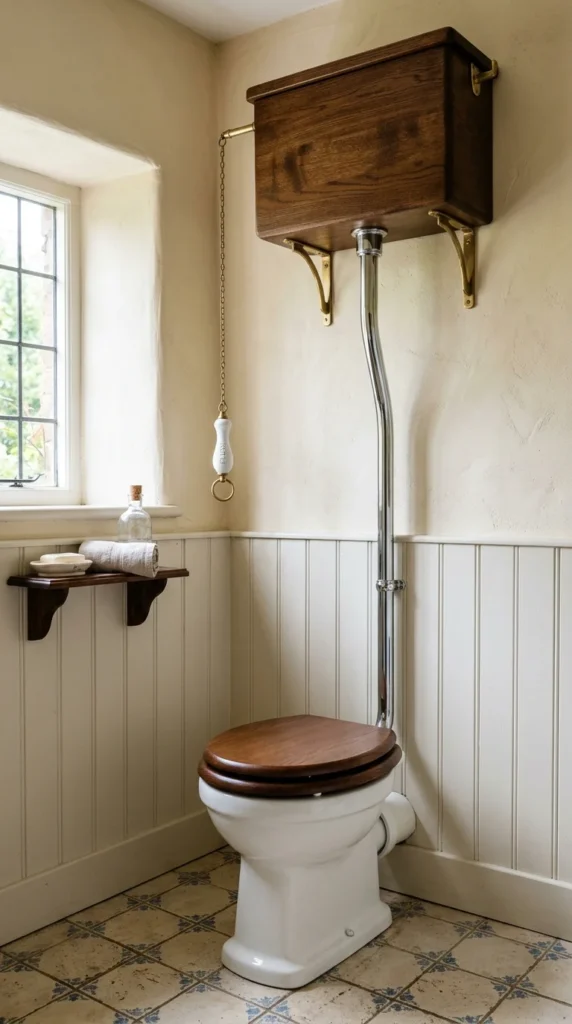
For a truly Victorian or Edwardian look, nothing beats a pull-chain toilet. The water tank is mounted high on the wall, and gravity gives the flush its power. The long metal chain and porcelain handle feel wonderfully tactile, and they make a great conversation piece.
17. Shaker Cabinets
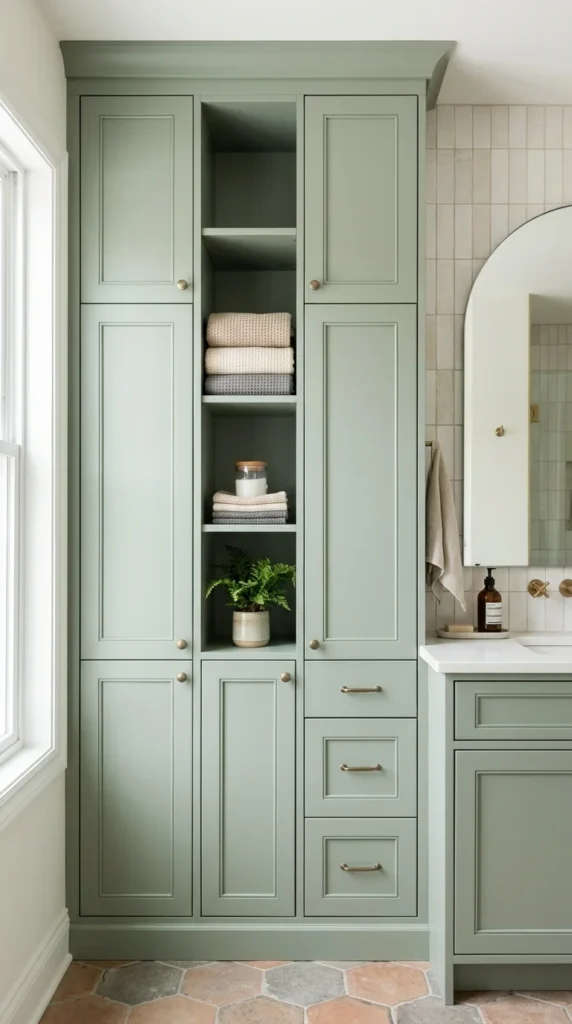
Shaker style is built on simplicity, usefulness, and honest design. It’s older than the mid-century “retro” era, but its clean lines have suited traditional and vintage-inspired bathrooms for decades. Shaker cabinets in a classic wood finish, or in a muted vintage color like navy or cream, give the rest of your decor a grounded base.
18. Sunken Tubs
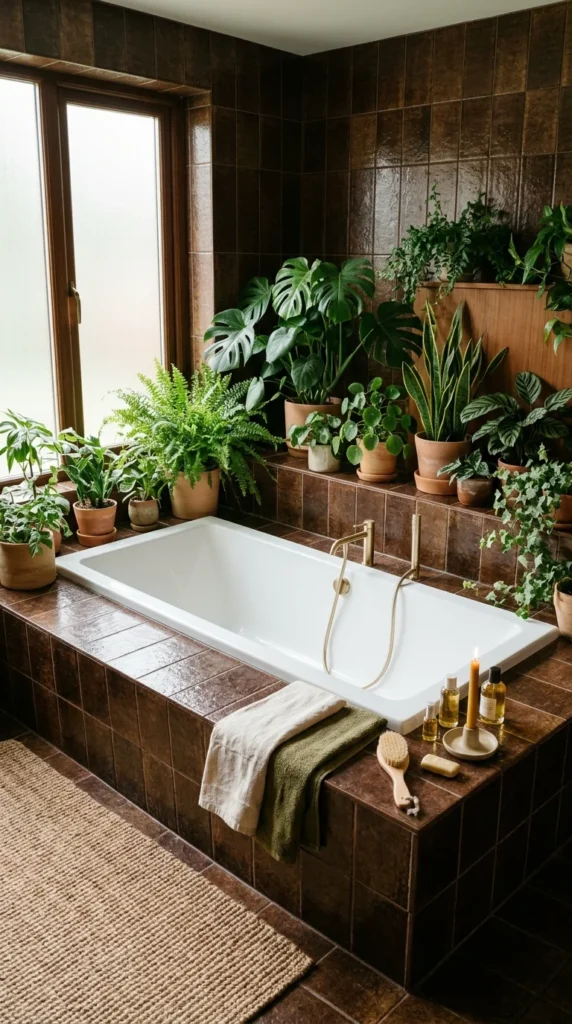
Sunken tubs were the height of luxury in the 1960s and 70s. They create a spa-like feel, and without a tall tub wall in the way, the room can feel more open. Pair one with earthy-toned tile and plenty of greenery, and you have a retro-bohemian retreat.
19. High-Contrast Grout
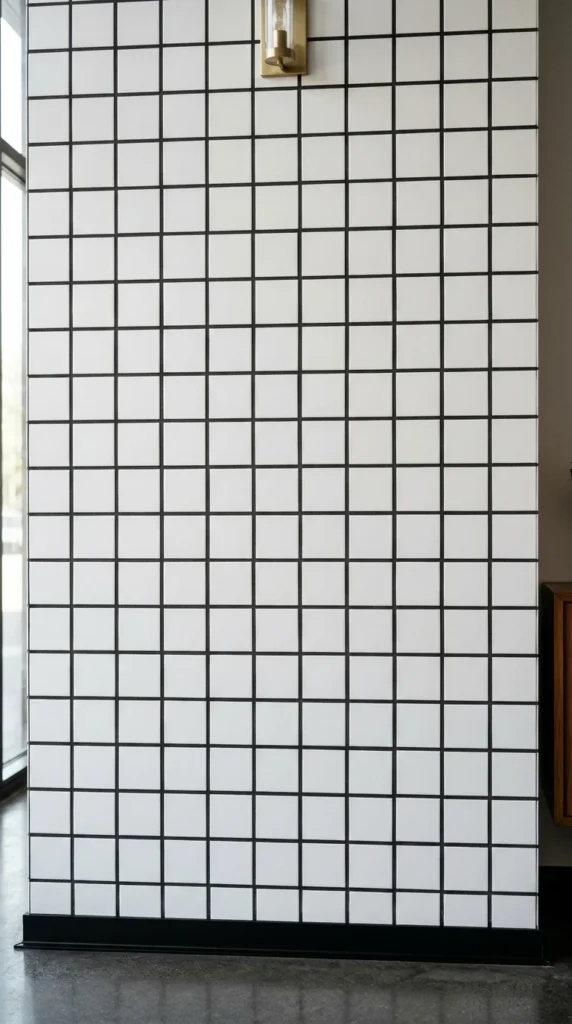
In the mid-20th century, grout was often treated as a design element, not just something functional. High-contrast grout, like black grout with white tile, makes the geometry of your tile work stand out. It’s an affordable way to give a standard tile installation a vintage industrial edge.
20. Floral Accents
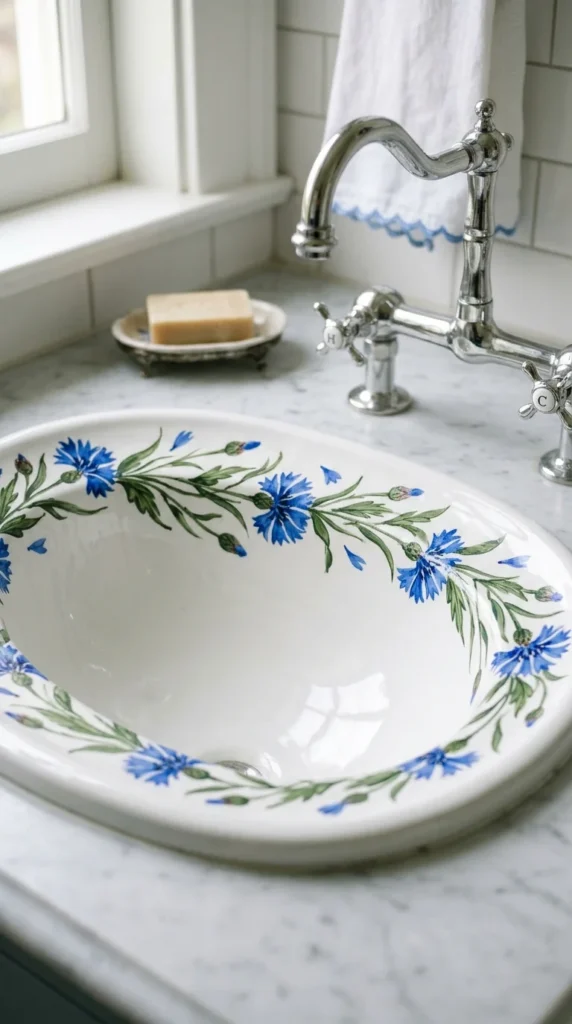
In the mid-century, hand-painted details were common on porcelain fixtures. You can get the same look with sinks or even toilets that have subtle floral motifs fired into the ceramic. If a permanent fixture feels like too much, floral hand towels and a floral shower curtain give you the same nostalgic touch with less commitment.
21. Molded Soap Dishes
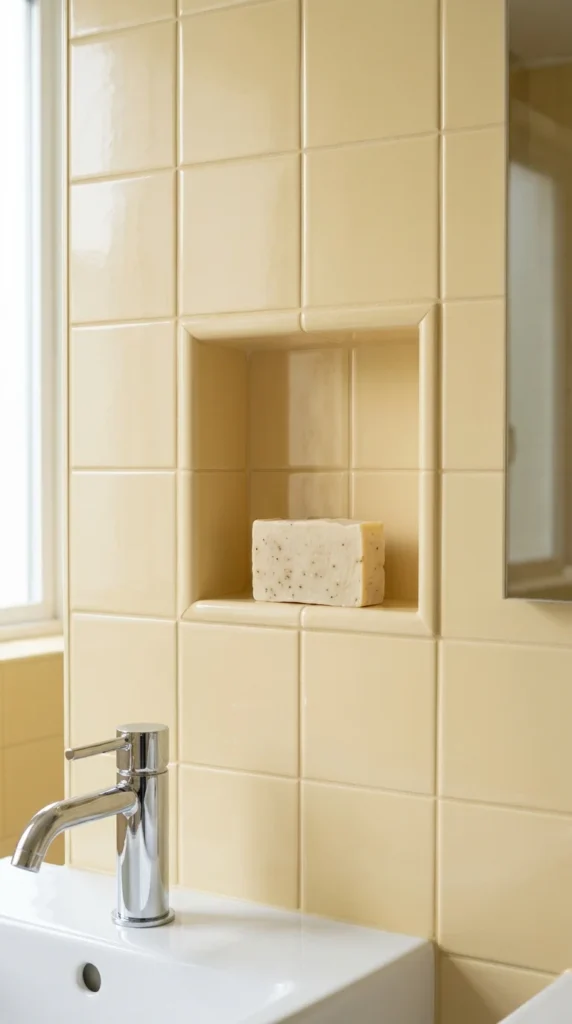
In vintage bathrooms, accessories were often built in rather than added later. Recessed ceramic soap dishes, toothbrush holders, and toilet paper holders that matched the wall tile were standard. Including them in a renovation shows a real commitment to period accuracy, and the result looks seamless and integrated.
22. Hexagon Tiles
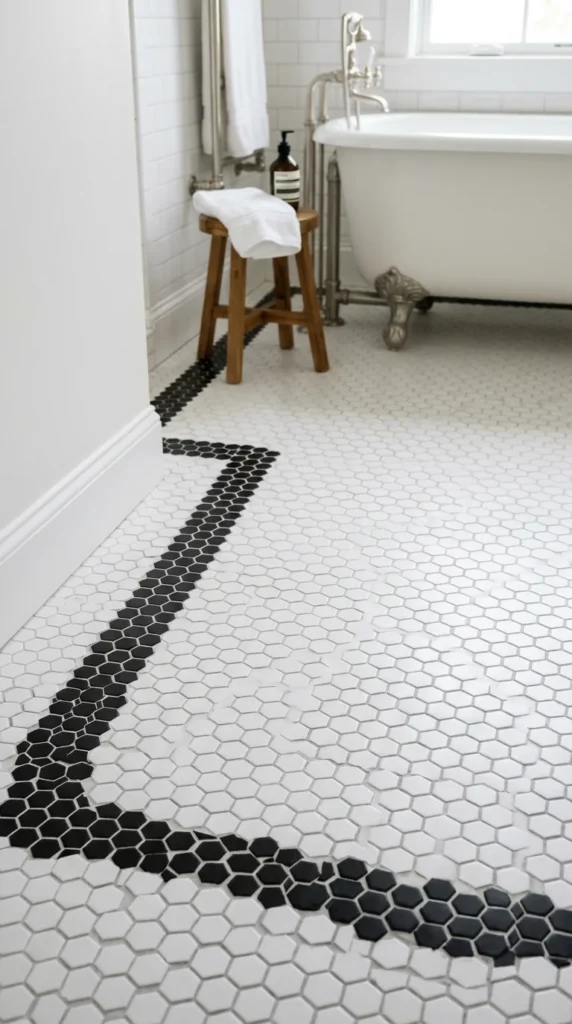
Hexagon tiles, sometimes called honeycomb tiles, are a classic choice for bathroom floors, and they were especially popular in the early 20th century. Mix the colors of the hexagons and you can make detailed mosaic patterns or simple borders. Either way, you get visual interest and a handcrafted feel.
23. Reclaimed Wood
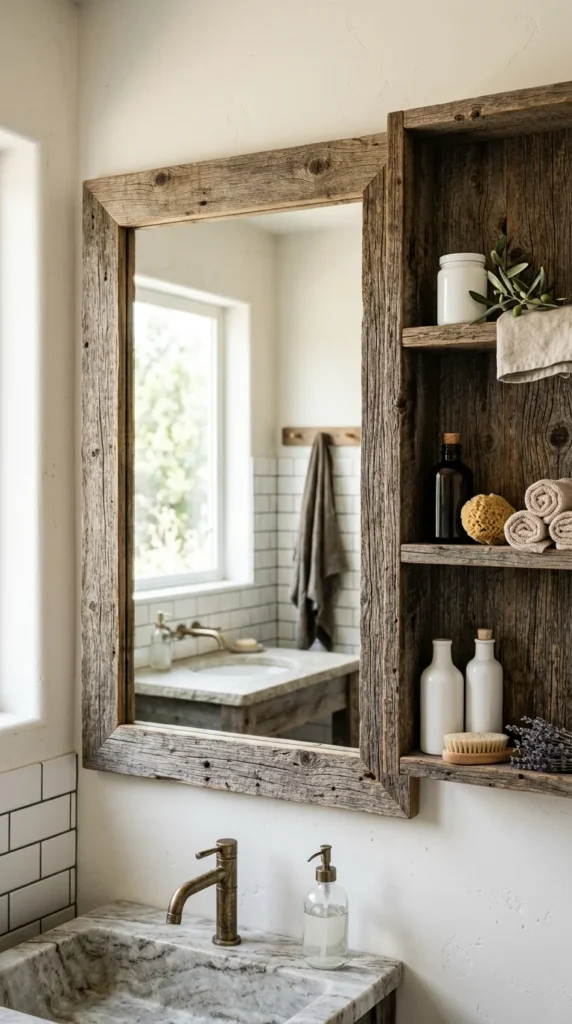
Reclaimed wood brings in a rustic vintage, farmhouse charm. Old barn wood works well for shelving or a mirror frame, and its natural texture balances the coolness of tile and porcelain. It adds a sense of history and soul, so the room feels lived-in and thoughtfully put together.
24. Medicine Cabinets
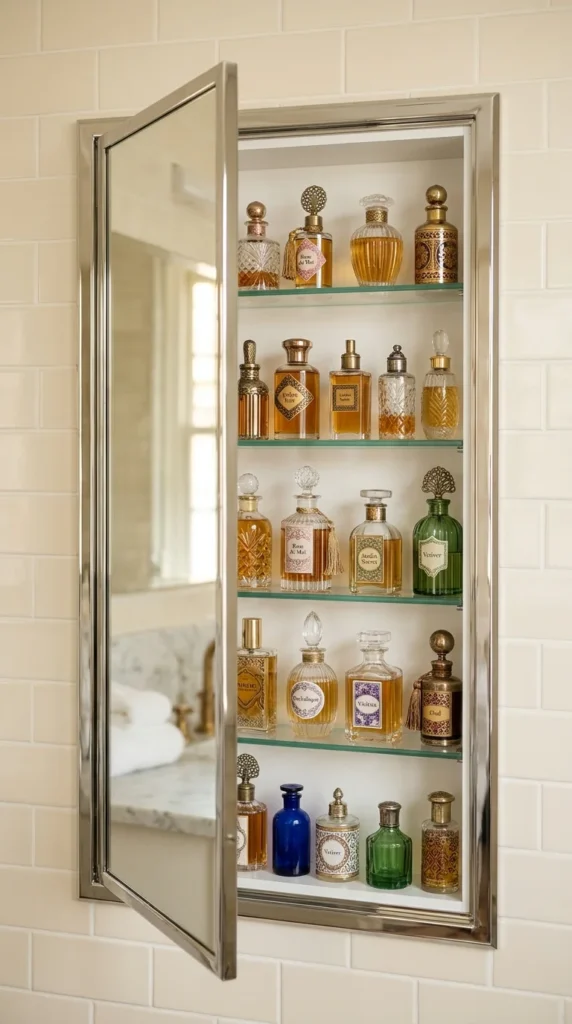
Before oversized vanity mirrors took over, the medicine cabinet was the standard. A recessed cabinet with a metal frame and a mirrored door is both practical and true to the period. For an authentic detail, look for a model with a small slot in the back for used razor blades. It’s a quirky feature of mid-century homes.
25. Porthole Windows
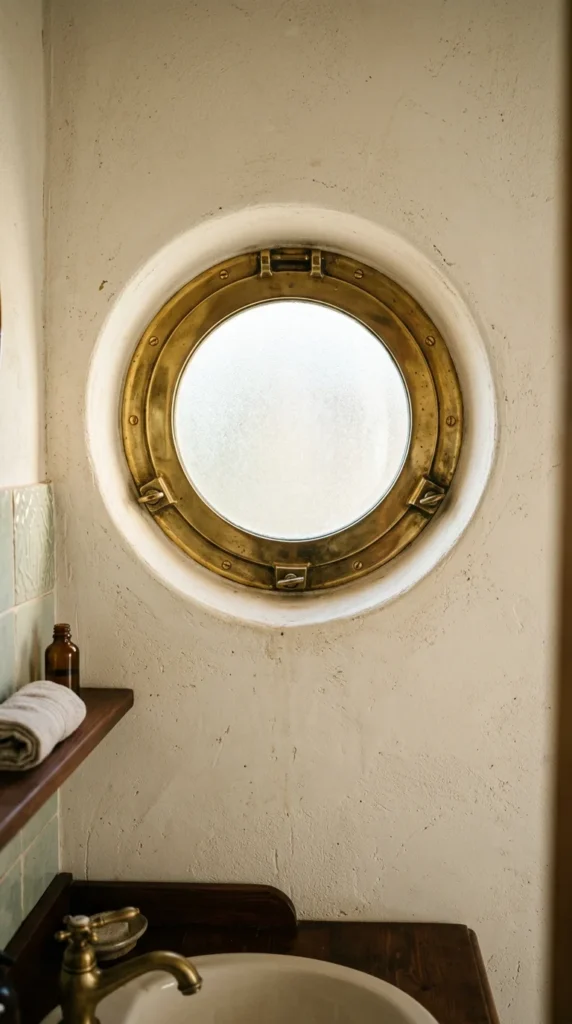
Porthole windows were a favorite of the Streamline Moderne movement in the 1930s. The round shape adds a nautical, adventurous touch to a bathroom. If you don’t have an exterior wall for a window, a circular mirror or a round pane of glass in a partition wall can create a similar retro look.