
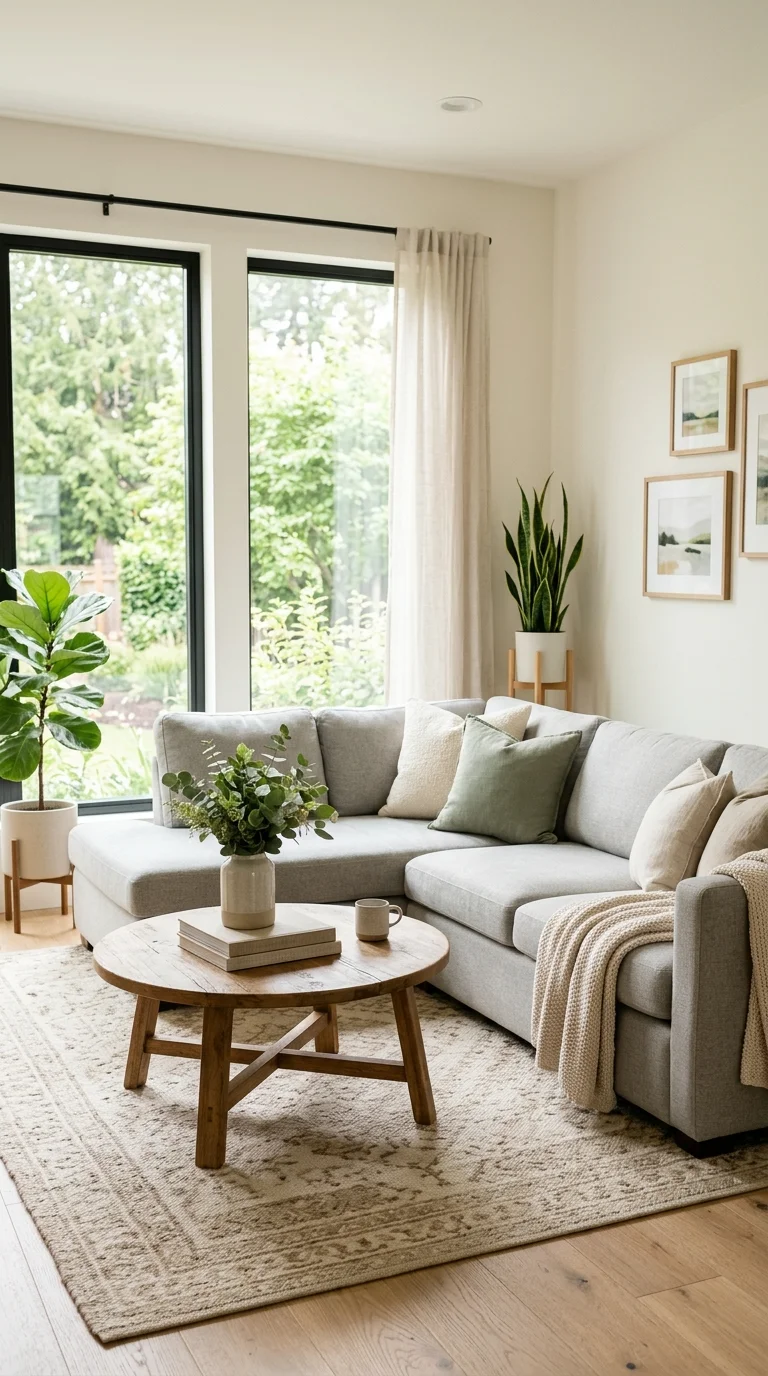
15 Small Living Room Decorating Ideas on a Budget
A stylish, comfortable living room doesn’t need a big floor plan or a big budget. When square footage is tight, the goal is to make every inch work harder, using smart storage, simple visual tricks, and a few well-chosen changes. The best budget living room decor focuses on upgrades with the biggest payoff for the least money.
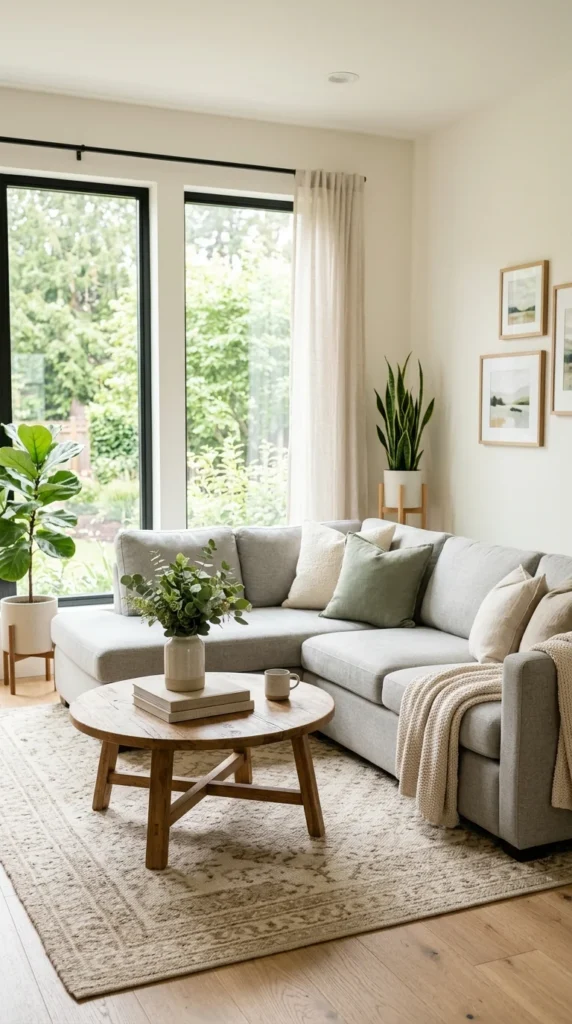
These fifteen small living room ideas cover everything from using your vertical space to bouncing light around the room. Together, they can turn a cramped corner of your home into a cozy small living room you actually love spending time in.
1. Mirror Walls
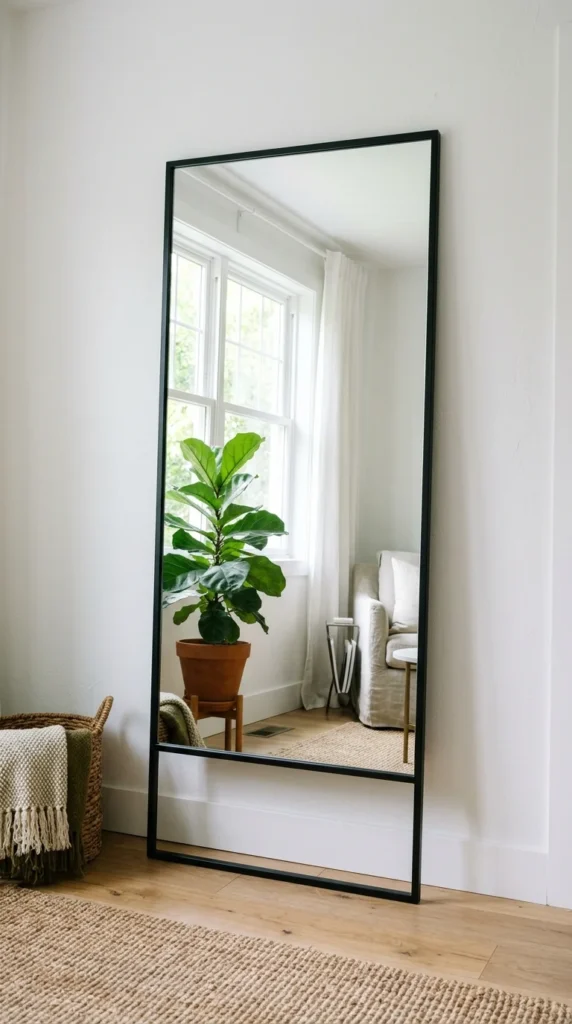
Mirrors are one of the oldest tricks for making a room feel deeper, and they still work. A large mirror, or a group of smaller ones, on a main wall reflects natural and artificial light and brightens the whole space right away.
On a budget, check thrift stores and discount home retailers for oversized floor mirrors. Hanging one opposite a window works especially well because it “brings the outdoors in” and looks like a second window. If a big mirror is out of your price range, try a grid of small, inexpensive square mirrors. The result has an architectural, high-end look for a fraction of the cost.
2. Multifunctional Furniture
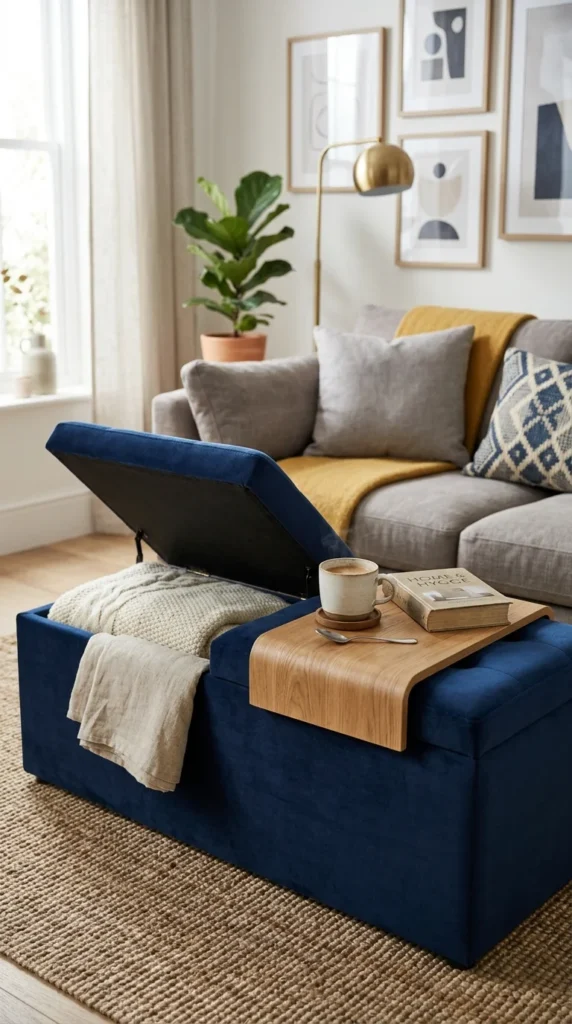
In a small living room, every piece of furniture has to earn its spot. Items that do double duty keep clutter under control. A storage ottoman, for example, can be your coffee table, extra seating for guests, and a hidden spot for blankets or media accessories.
Nesting tables are another good option, since you can tuck them away when you don’t need them. A sofa bed lets you host overnight guests without a dedicated guest room. When you’re shopping on a budget, look for clean lines and hidden compartments. Second-hand shops often have sturdy wooden chests that can be refinished into good-looking, practical coffee tables.
3. Vertical Storage
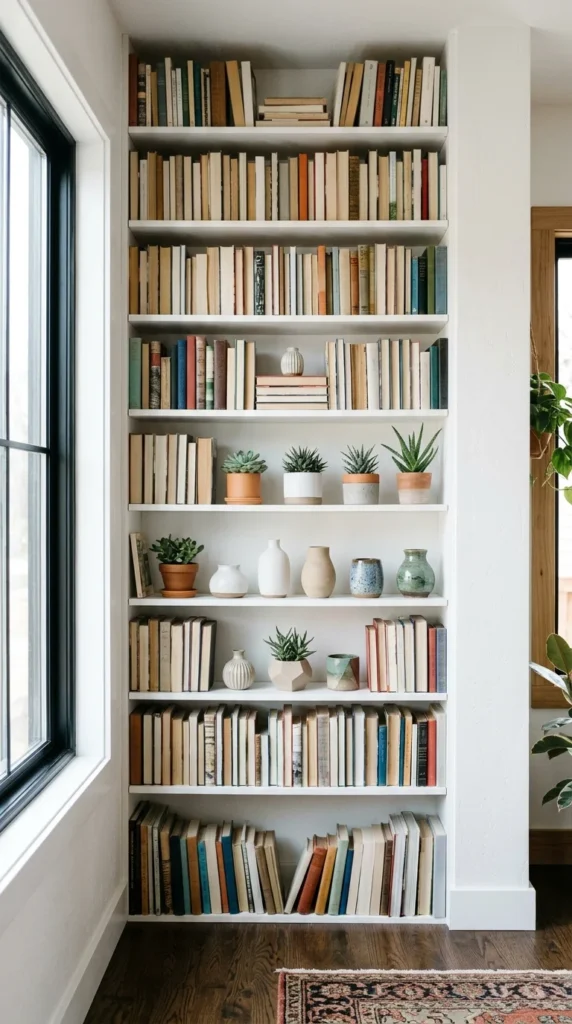
When floor space is limited, look up. Storage that reaches toward the ceiling uses space most people ignore, and it draws the eye upward so the room feels taller. Floor-to-ceiling shelving holds books, decor, and everyday essentials without crowding your walkways.
To keep costs down, go with basic ladder shelves or stackable crates. Painting them the same color as your walls helps them blend in, so the room doesn’t feel boxed in. You get the storage you need, plus a place to show off the things that reflect your style.
4. Neutral Palette
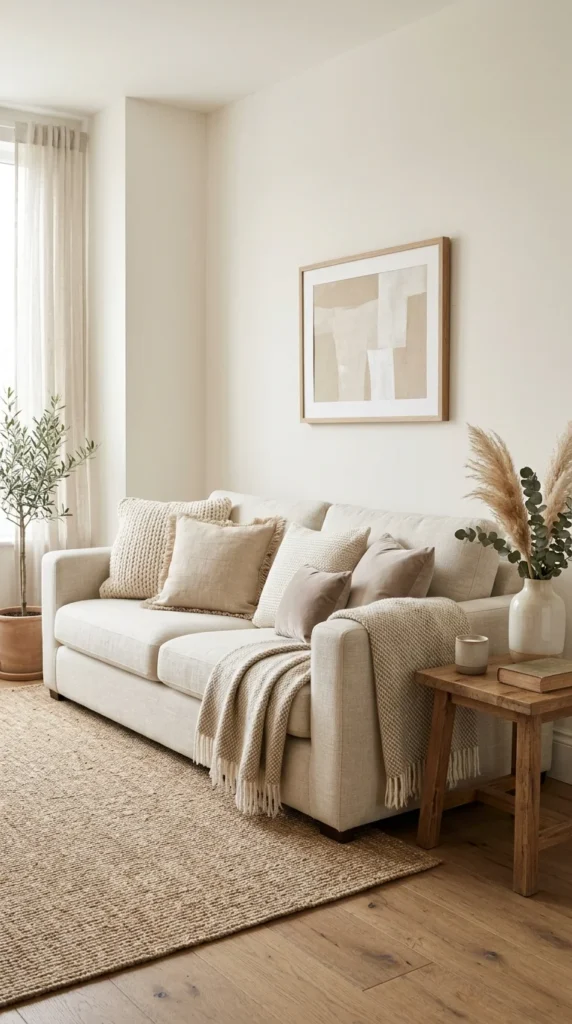
A neutral or single-color scheme is one of the best choices for a small space. Light shades like off-white, soft gray, and beige reflect more light, while darker tones absorb it and make walls feel closer together.
You don’t have to buy new furniture to get this look. A gallon of budget-friendly paint can change your walls, and an inexpensive slipcover can tone down a dark or heavily patterned sofa. Layering several shades of the same color gives the room a polished, cohesive feel that looks open instead of busy.
5. Textured Layers
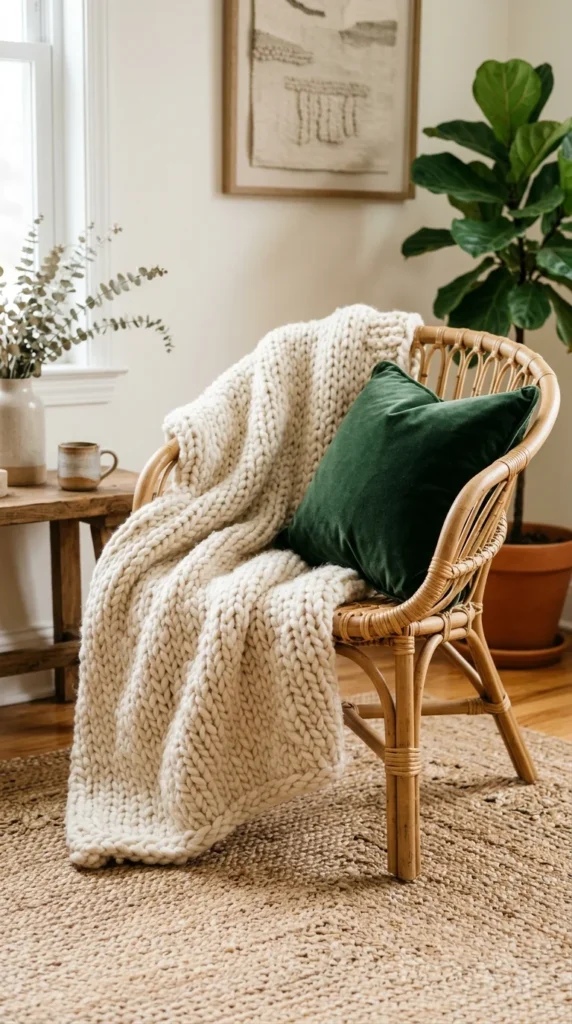
A neutral palette gives the room its foundation, and texture gives it personality. Without variety, a small, light-colored room can feel flat and cold. Mixing materials like wool, linen, velvet, and jute adds warmth and interest without taking up any extra space.
You can add texture a little at a time. A faux-fur throw, a woven basket for magazines, or a set of velvet pillow covers can lift the whole room. Together, these pieces give your space a designer look that seems pricey but can be built up slowly with discount finds and DIY projects.
6. Strategic Lighting
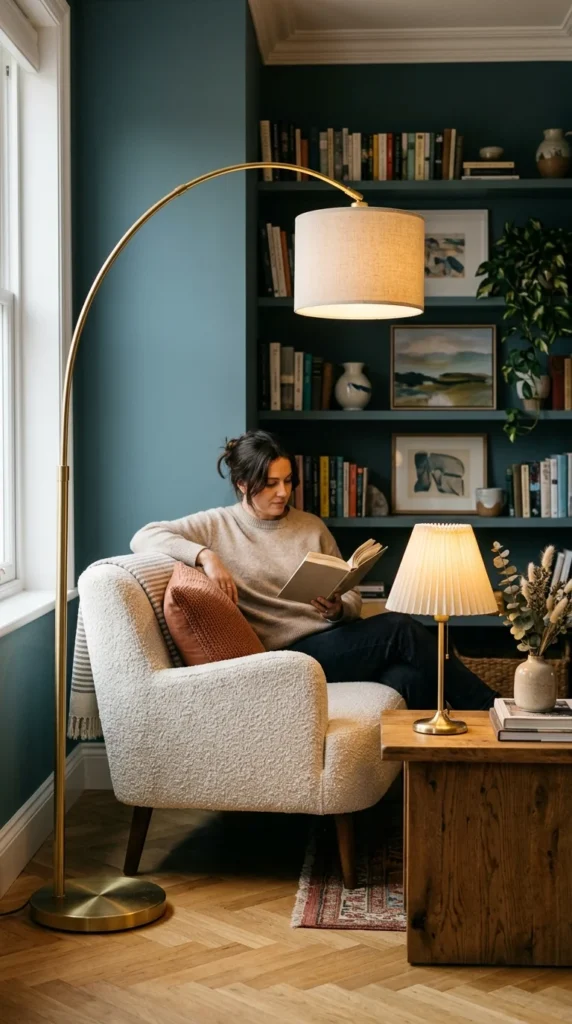
Lighting is the most underrated part of decorating on a budget. One overhead light creates harsh shadows and can make a room feel small and dull. Layer your lighting instead, with floor lamps, table lamps, and even wall sconces.
Inexpensive LED strip lights behind the TV or under shelves add a soft glow and a sense of depth. Warm-toned bulbs make the room feel cozy and welcoming. If you rent and can’t change the fixtures, plug-in wall lamps give you a polished look without an electrician.
7. Indoor Greenery
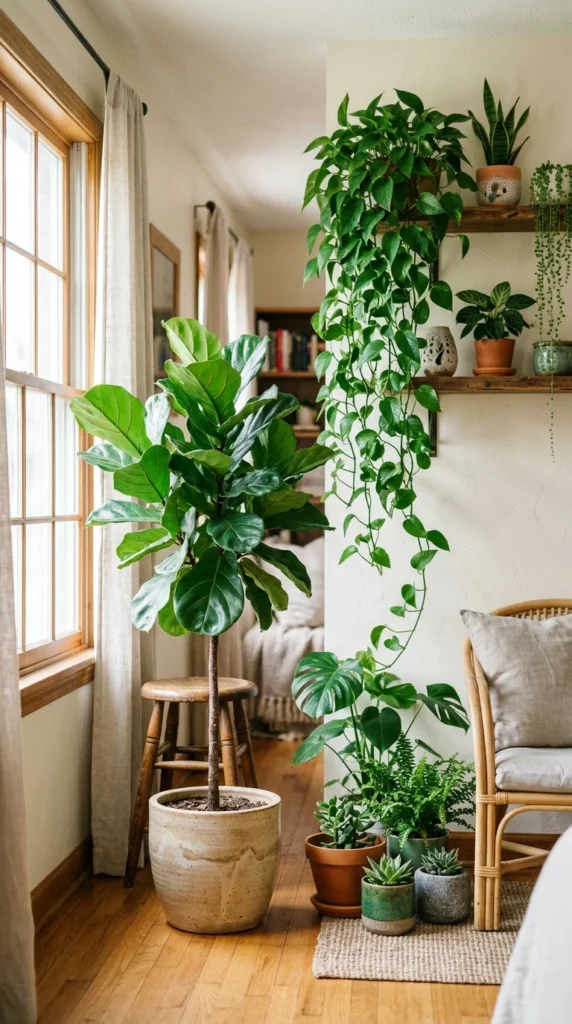
Plants are an affordable way to add life, color, and soft, natural shapes to a small living room. They soften sharp corners and fill awkward gaps where furniture won’t fit.
To save money, take cuttings from friends or buy small starter plants. Tall options like a snake plant or a dracaena add height, while trailing plants like pothos or ivy look great on high shelves and pull the eye upward. Even a simple glass jar of eucalyptus branches makes a long-lasting, fragrant centerpiece.
8. Accent Rugs
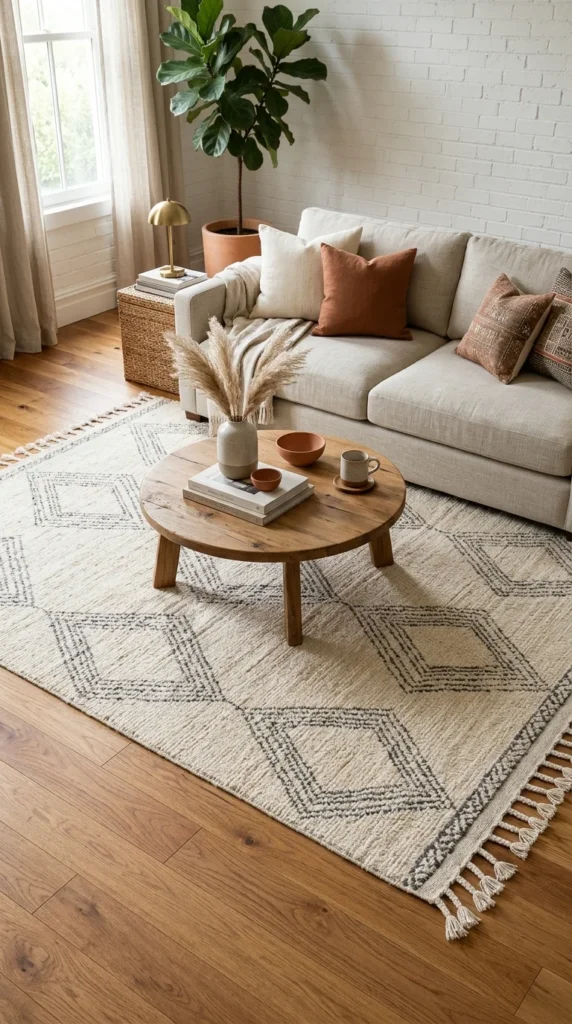
Small rooms often end up with a rug that’s too small, which chops up the floor and makes the space feel smaller. A large area rug that sits under all the main furniture ties the seating area together and creates a sense of unity.
Natural fibers like jute and sisal usually cost less than wool, so they’re a good place to start. You can also layer a smaller patterned rug over a larger, inexpensive neutral one for a pop of style. Layering adds depth and makes your seating area feel like a destination in the room.
9. Floating Shelves
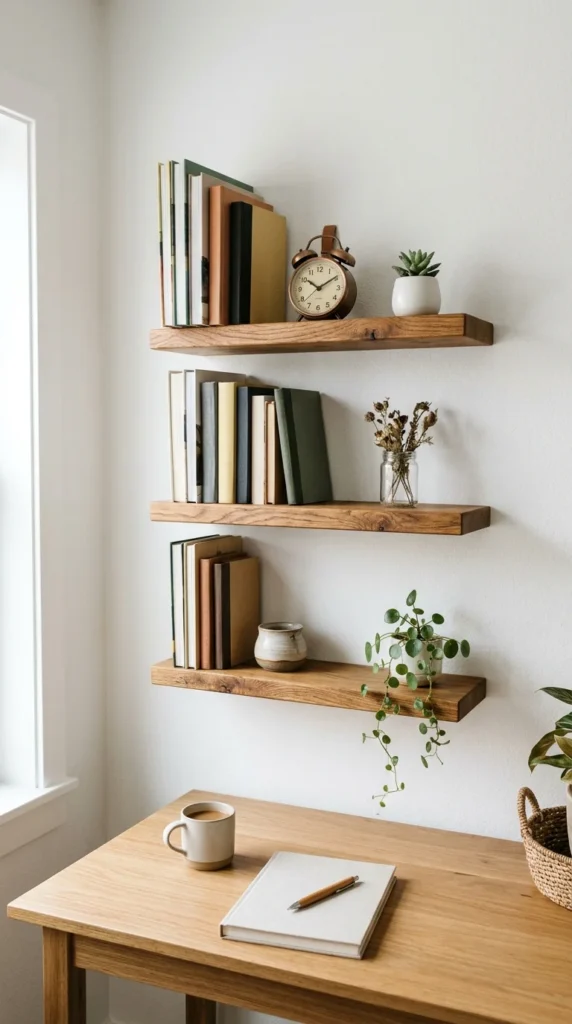
Floating shelves are a minimalist’s best friend. Without bulky legs and frames, they give you storage and display space while keeping the floor visible, and that open floor is what makes a small room feel airy.
They’re easy to install and cheap at most hardware stores. Use them for art, media, or even a small bar setup. Leave a little breathing room between items so the shelves don’t look crowded, which keeps the whole room feeling tidy.
10. Transparent Elements
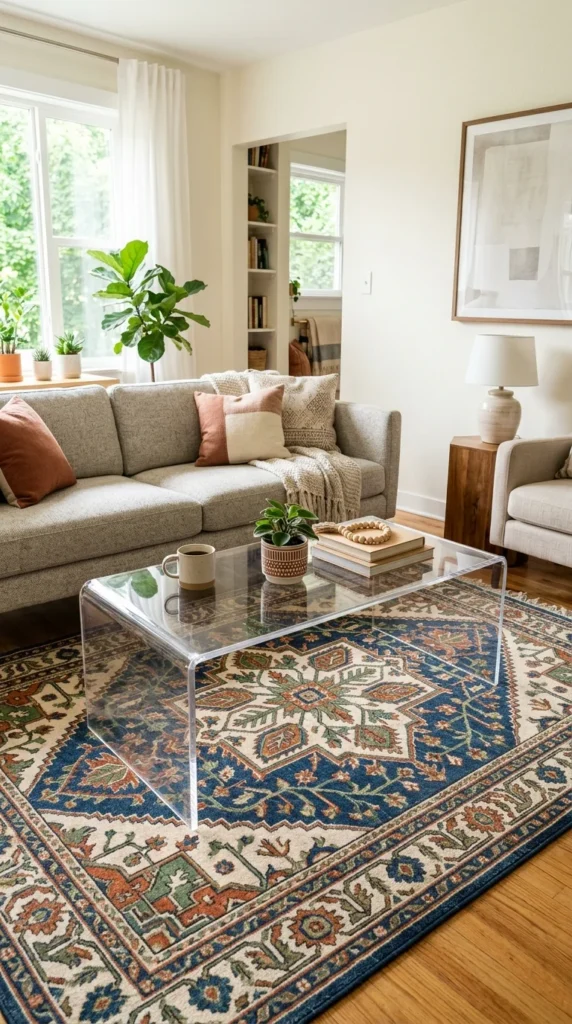
Glass and acrylic furniture, often called “ghost” furniture, is a great trick for small spaces. Because you can see through it, it takes up almost no visual space. You still get a working table or chair without making the room feel packed.
High-end acrylic pieces can be expensive, but budget-friendly versions are easy to find online and at discount home stores. A clear coffee table or a set of glass nesting tables lets your rug and flooring show through, so your line of sight across the room stays open.
11. Gallery Walls
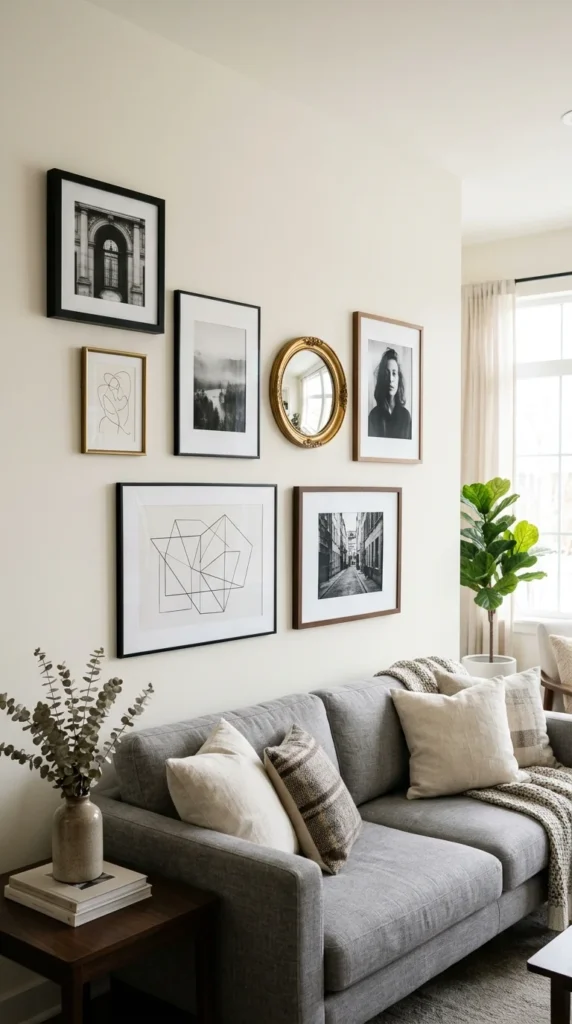
You don’t need expensive paintings to make your walls look good. A gallery wall brings together smaller, cheaper pieces to create one large focal point. Drawing attention to a single area can even make the surrounding walls feel bigger.
To keep costs low, buy matching frames from a dollar store or thrift shop and paint them all the same color. For the art itself, try framing postcards, pages from old books, or scraps of textured fabric. The arrangement matters most. A tight, orderly grid feels formal and neat, while a looser layout feels relaxed and bohemian.
12. Upcycled Decor
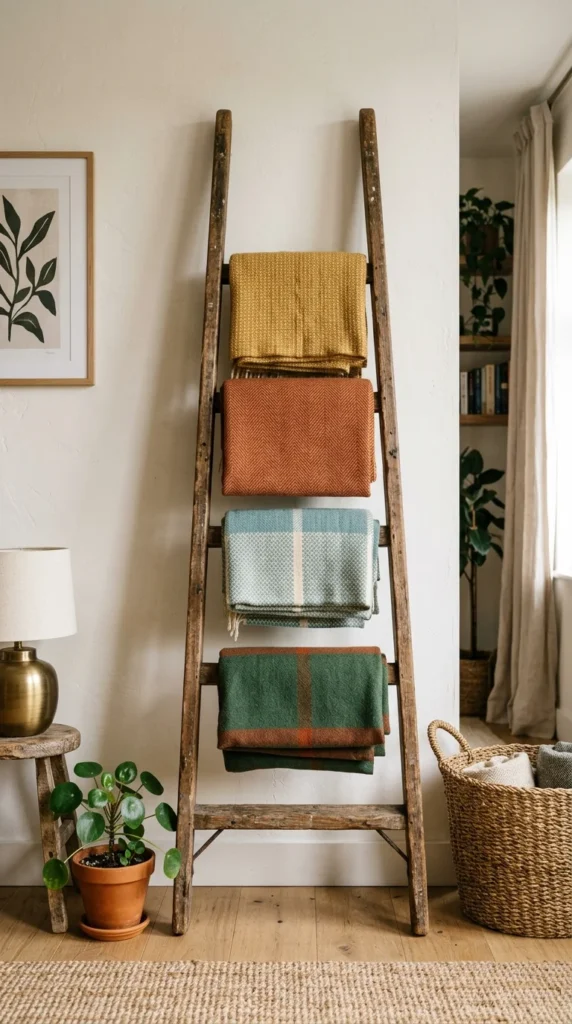
Making a space feel personal on a budget often takes a little “sweat equity.” Upcycling turns cheap or discarded items into one-of-a-kind decor. An old wooden ladder becomes a blanket rack, a vintage suitcase becomes a side table, and a wooden crate, once sanded and stained, makes a handy shoe cubby.
The best part is that your living room ends up with real character that nobody else has. Look for pieces with “good bones,” meaning sturdy construction and a pleasing shape, and don’t be afraid to use paint or new hardware to freshen them up.
13. Window Treatments
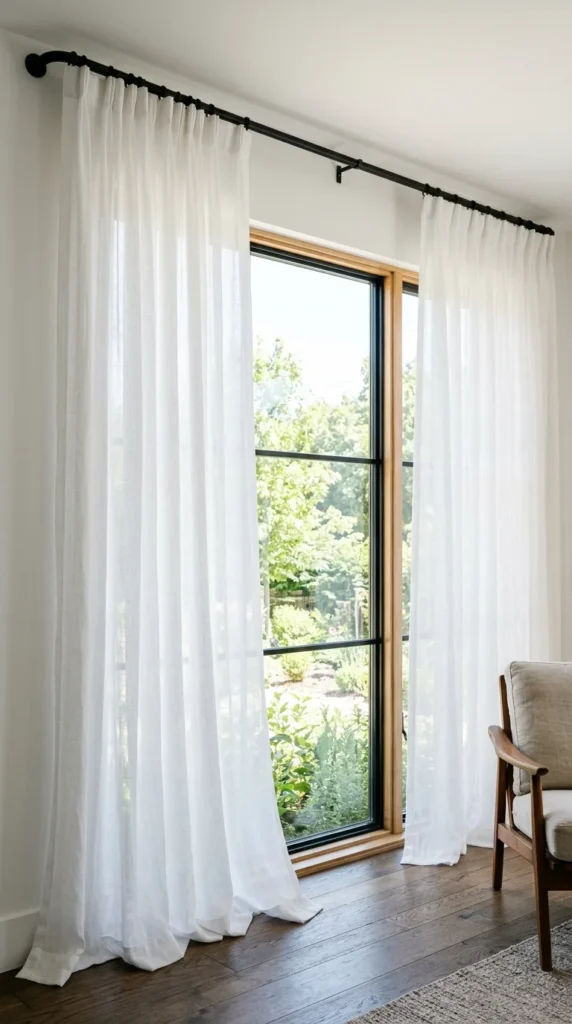
How you hang your curtains can change how big a room feels. Mount the rod several inches above the window frame and extend it wider than the window itself. The window will look larger and the ceiling higher.
Choose sheer, lightweight fabrics that let in natural light while still giving you privacy. Plain white cotton or linen panels are timeless and easy to find at low prices. Skip heavy, dark drapes, which close in the space and make it feel weighed down.
14. Minimalist Layouts
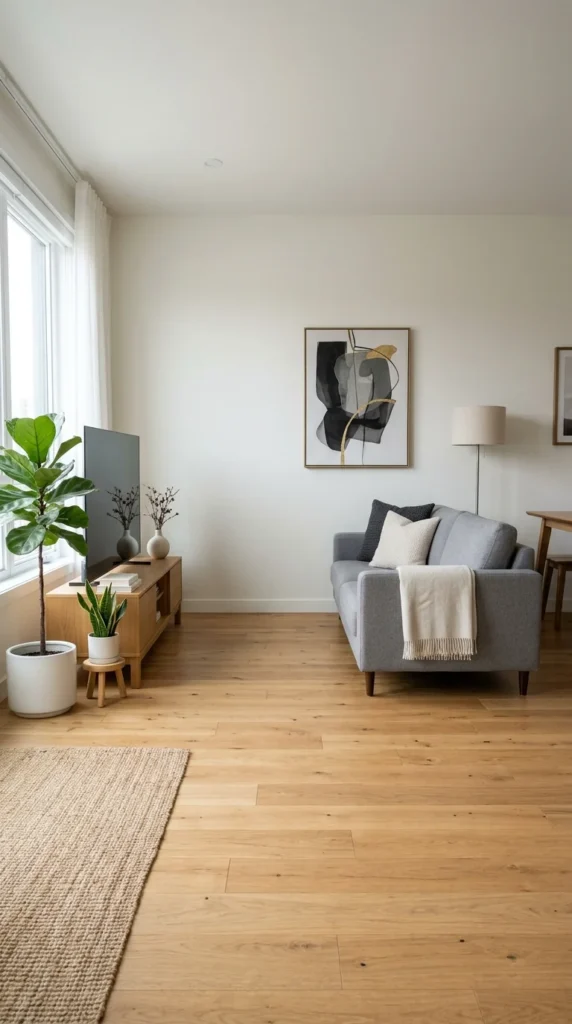
Sometimes the best decorating move is to take things away. In a small room, clutter works against your style. A minimalist layout puts quality ahead of quantity, gives every piece of furniture a clear purpose, and leaves plenty of open space for the eye to rest.
Take a hard look at what you have and ask whether each piece is truly necessary. Moving a bulky armchair to the bedroom, or swapping a large coffee table for a smaller side table, can open up the floor plan a lot. Clearing surfaces of extra knick-knacks makes the room feel more organized and spacious.
15. Smart Zoning
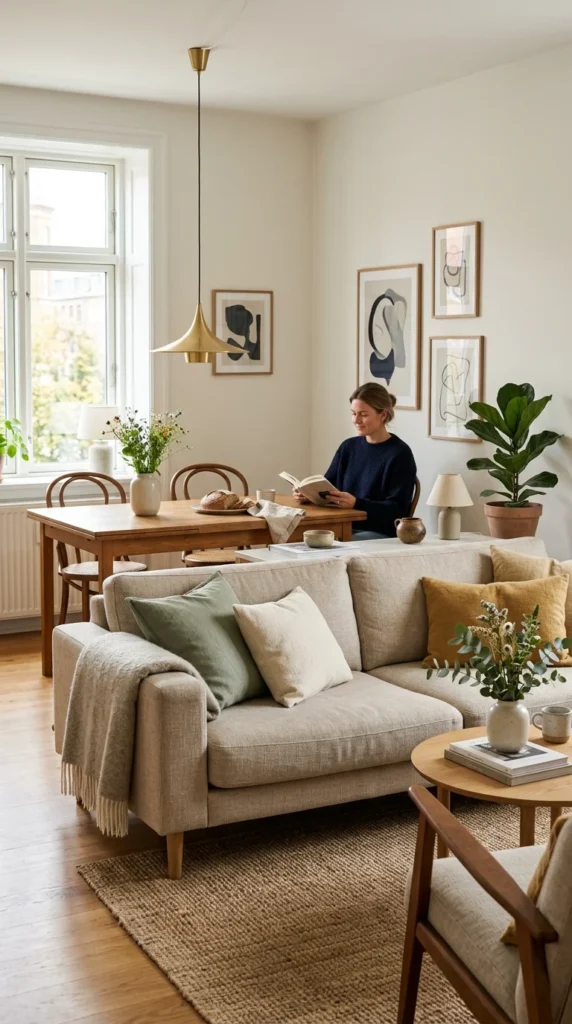
In a studio apartment or open-concept home, the living room often shares space with a dining area or an office. Zoning means using furniture and decor to mark off these areas without building walls. Living Room
Anchor the seating area with a rug, or turn the back of the sofa toward the other zone to create a low, physical divider. This makes the home feel like it has several distinct rooms, which adds a touch of luxury and order to a small floor plan. Sticking to one color palette across all the zones keeps everything cohesive instead of choppy.